

When to See a Doctor for Anxiety: Key Signs You Shouldn't Ignore | Safe and Sound
Anxiety disorders are a common mental health problem affecting many people's work, lives, and relationships, yet many still hesitate to seek medical help. Many wonder, "When should I see a doctor for an anxiety disorder?" In this article, let's explore the symptoms of anxiety disorders and recognize when to seek medical attention, with the help of psychologists and psychiatrists from Safe and Sound.
Ngo Thi Sang | Master of Education – Institute of Psychology and Mental Health (SnS)
Center for Community Health and Development Research
1. Understanding anxiety disorders

Image 1: What is an anxiety disorder?
Anxiety disorder is a state of excessive and frequent worry and restlessness, unrelated to a specific danger. According to psychologists and psychiatrists, it can affect a person's thoughts, feelings, and behavior.
2. Characteristic manifestations
Here are some characteristic symptoms of anxiety disorders:
- Excessive worrying about many things, even trivial matters.
- Feeling restless, uncomfortable, unable to sit still.
- Difficulty concentrating on work or studies.
- Insomnia: Difficulty falling asleep, poor sleep quality, or waking up multiple times during the night.
- Irritability: Easily irritated or annoyed.
- Fatigue: Feeling tired and lacking energy.
- Body aches and pains: Headaches, muscle pain, or stomach pain.
3. When should I see a doctor?
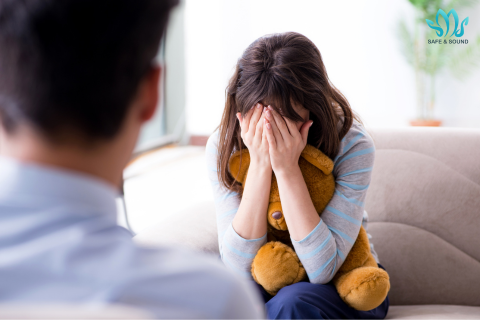
Image 2: When should you see a doctor for an anxiety disorder?
Determining the extent to which you need to see a psychologist or psychiatrist will depend on the impact and influence of your anxiety disorder on your daily life.
If you feel that anxiety is interfering with your work, relationships, or mental health, it could be a sign that you need more intensive support. Psychologists and mental health professionals say that if anxiety is affecting your daily activities and persists for a long time, seeking medical help is a necessary decision to help you manage and cope with your anxiety disorder.
4. Advice on building a healthy lifestyle

Image 3: Building a healthy lifestyle improves anxiety disorders.
Let's explore advice from psychology experts and SnS psychologists on a healthy lifestyle to help improve anxiety disorders:
- Eat healthily: Consume plenty of fruits, vegetables, whole grains, and lean protein. Limit fast food, sweets, and caffeine.
- Exercise regularly: Exercising for at least 30 minutes each day helps reduce anxiety and improve mood.
- Get enough sleep: Getting 7-8 hours of sleep each night helps the body recover and reduces anxiety.
- Avoid stimulants: Limit your use of alcohol, tobacco, and other stimulants, as these can increase anxiety.
Recognizing the signs and understanding the extent to which anxiety disorders affect you is crucial. When anxiety is significantly impacting your life, seeking professional help or consultation with a psychologist is the first important step in restoring balance and happiness to your daily life.
See more:
Have you tried this method to reduce stress instantly in 10 minutes?
